Agents got a sanctioned way to pay this week and lost a way to book. Anthropic and Google both shipped faster, cheaper tiers, and a day-long Microsoft outage showed how much of the working day, Copilot included, hangs on one email service.
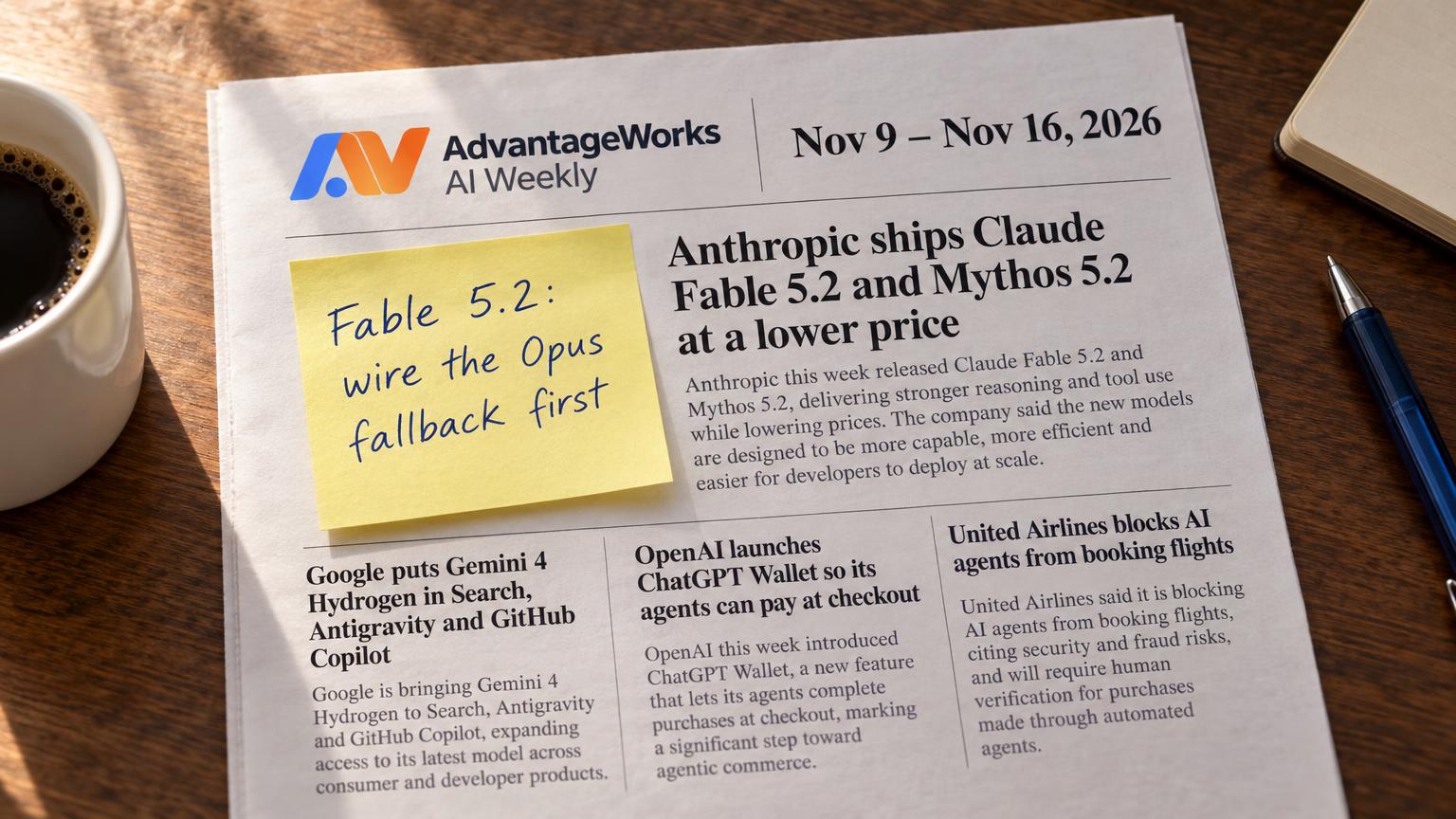
Anthropic ships Claude Fable 5.2 and Mythos 5.2 at a lower price
Anthropic released Claude Fable 5.2 and Claude Mythos 5.2 on November 9, the same underlying model with different safeguards. Fable 5.2 is open to all users and costs $8 per million input tokens and $40 per million output tokens, with an optional fast mode at double that. Mythos 5.2 stays behind Anthropic's cyber and life-sciences verification programs. Anthropic says Fable 5.2 at High effort matches Opus 5.5's best FrontierCode score for roughly half the cost per task, and AWS put both models on Amazon Bedrock the same day .
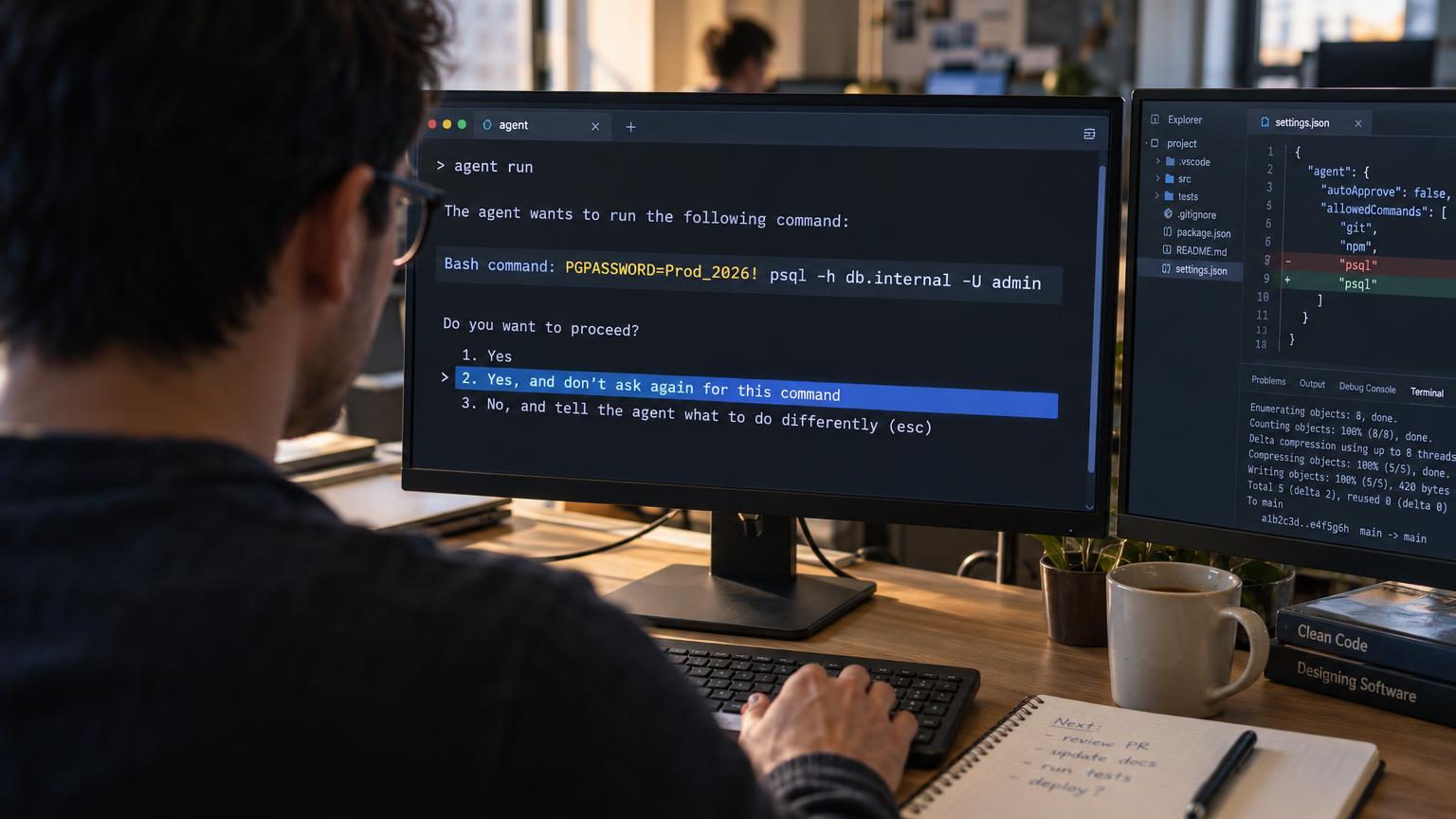
The detail that bites in production is buried in the AWS post. Fable 5.2's classifiers block most security and biology tasks, and on Bedrock the retry on Opus 4.8 or Opus 5 is your code's job, not an automatic switch. A pipeline that runs dependency audits or vulnerability triage through Fable will start returning refusals the day someone flips the model ID, so wire the fallback (and the cache credit token AWS returns with the refusal) before the switch. Anthropic itself still recommends Opus 5.5 as the daily default, which makes Fable a per-task upgrade you route hard work to while Opus stays the house model.
Google puts Gemini 4 Hydrogen in Search, Antigravity and GitHub Copilot
Google introduced Gemini 4 Hydrogen on November 12 as its fast execution model, priced flat at $1.50 per million input tokens and $7.50 per million output tokens across a 1 million token context. It is rolling out across the Gemini API, Gemini for business, the Gemini app and Google Search, and Google added an Orchestrator to Antigravity that switches between Carbon and Hydrogen within one session. A day later GitHub made Hydrogen generally available in Copilot for Pro, Business and Enterprise plans.
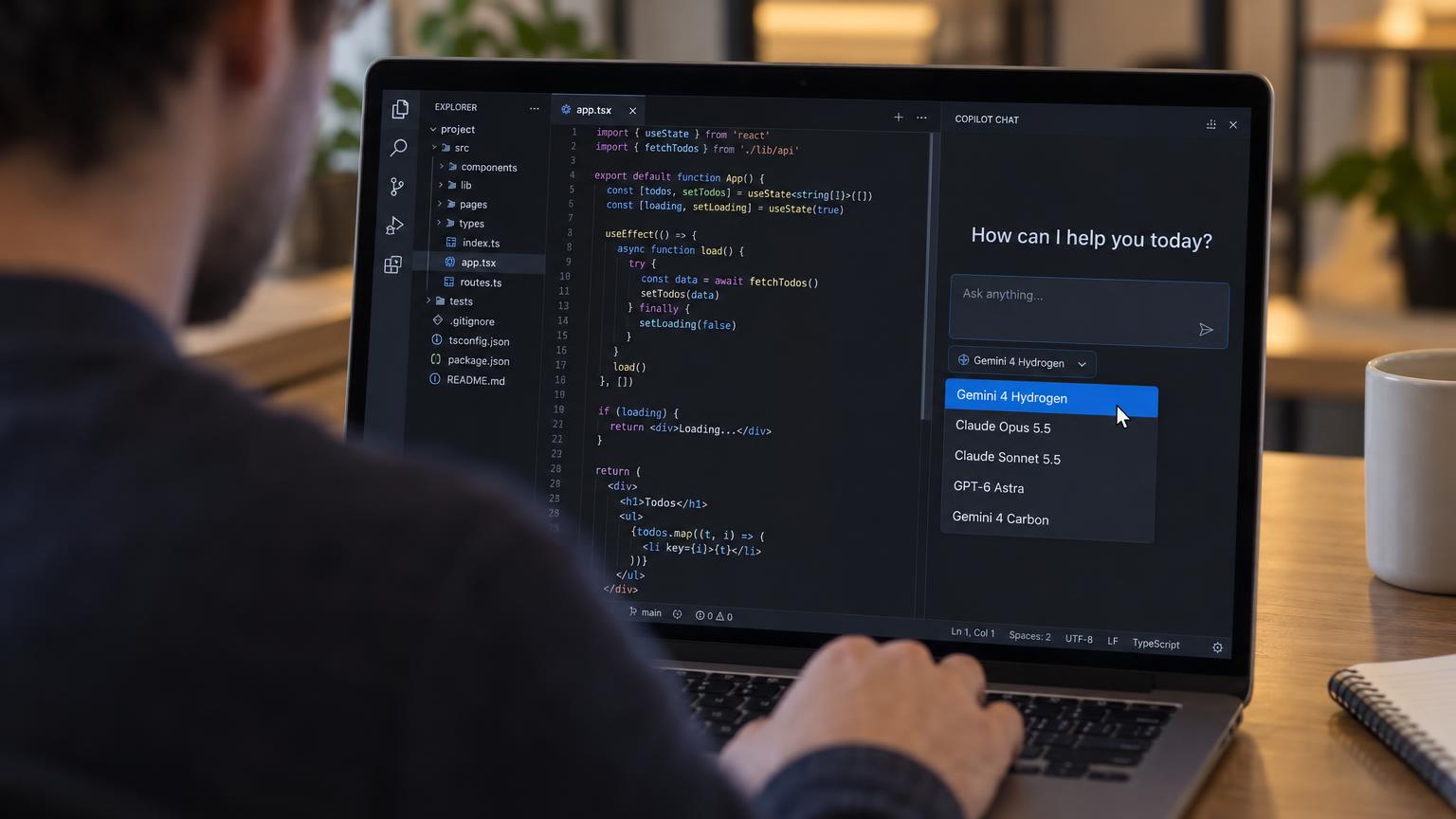
Check Copilot's default this week. New models are enabled automatically unless an administrator has turned off the global default, and Hydrogen is billed at provider list pricing under usage-based billing. So it may already sit in your developers' model picker, spending against your budget, before anyone has run it on your codebase. Open the model policy in Copilot settings , decide whether new models wait for a short internal trial, and write that rule down so the next release does not reopen the question.
OpenAI launches ChatGPT Wallet so its agents can pay at checkout
OpenAI introduced ChatGPT Wallet on November 13, built with American Express, Mastercard and Visa. The user approves each purchase with a check such as Face ID, and the network issues a payment token so neither the agent nor the merchant sees the real card. It starts in OpenAI's dots agents for ChatGPT Pro subscribers in the US, and TechCrunch notes that OpenAI plans spending limits and category rules later.

Companies that sell online have homework in OpenAI's own launch post. Its Commerce Partner Playbook asks merchants to let signed agent requests (Web Bot Auth) through their CDN or firewall, and it warns that fraud systems may decline legitimate agent purchases. Ask your payment provider this month how it scores a tokenized agent checkout. OpenAI names Stripe, Adyen and Checkout.com as partners, and a decline your risk rules generate is revenue you never see in a report.
United Airlines blocks AI agents from booking flights
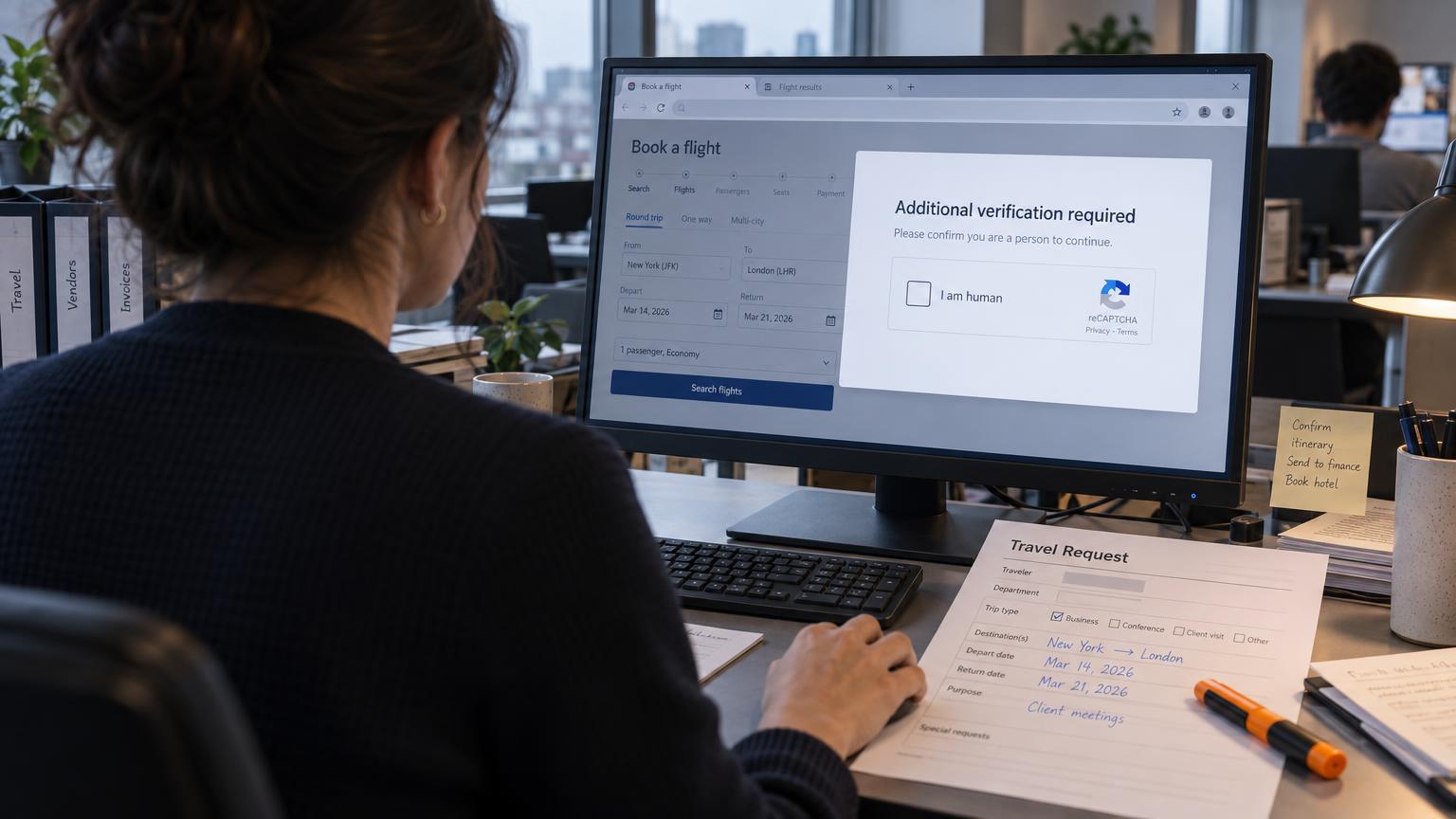
United said on November 11 it will restrict unauthorized third-party AI agents from booking and managing reservations, both on its own platforms and through travel agencies and aggregators. The airline cited the risk of customers sharing account credentials with assistants and federal rules that require a human to complete check-in. CBS News reports that Southwest went the other way and made its inventory viewable to ChatGPT users.
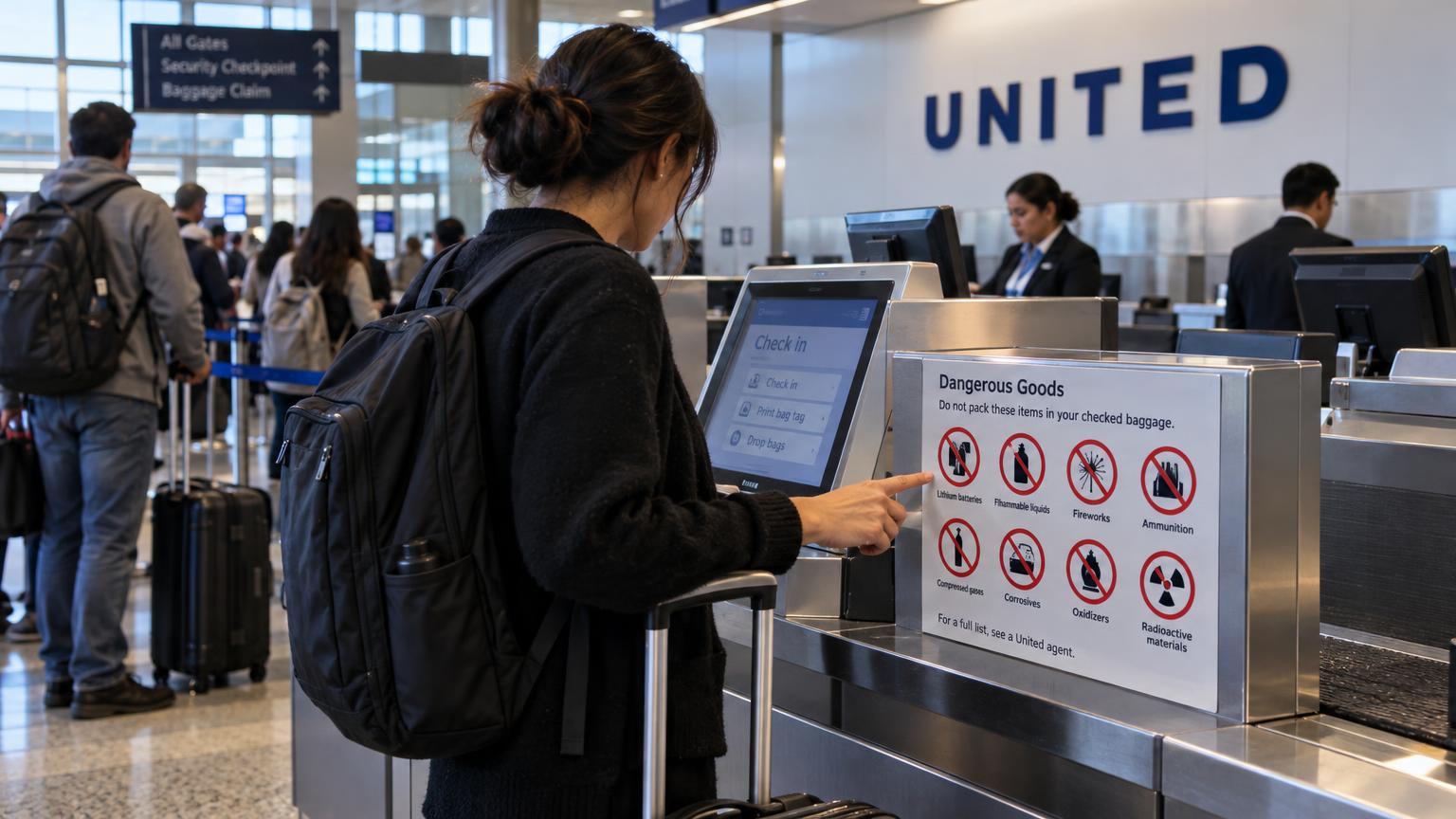
United's statement describes a pattern that reaches well past airlines. Any internal agent that logs into a supplier portal, a travel tool or a bank with an employee's password is doing exactly what United just banned, and the site owner can switch it off overnight. List those workflows now , note which ones have an official API or partner channel behind them, and treat the rest as on loan.
A day-long Microsoft outage takes down Outlook, Teams and Copilot
Microsoft said on November 14 that services had fully recovered after a global outage that hit Teams, Outlook and Copilot for more than 24 hours. Reuters reports the fault sat in features tied to Exchange Online, Downdetector logged more than 7.4 million reports, and Microsoft ruled out malicious activity and AI as the cause. The Guardian adds that the company traced it to an earlier network capacity upgrade.

Inbox triage, meeting summaries that feed the CRM and Copilot drafting all stopped together, because they all start in Exchange. Organizations running Microsoft services on their own servers were somewhat spared, Reuters says, which most mid-market firms cannot copy. What you can copy is a written fallback : which AI-assisted processes queue work and replay it after recovery, which switch to a manual path, and who decides. Morningstar DBRS put insured losses at $300 million to $500 million, so check what your own cyber and business-interruption cover says about a vendor outage.
OpenAI arrives on AWS through Marketplace and Bedrock
On November 9 OpenAI made ChatGPT Enterprise available in AWS Marketplace , so companies can buy it on their AWS bill and apply eligible spend toward AWS commitments, with the same features as a direct contract. AWS followed on November 11 with a guide to running OpenAI Codex on Amazon Bedrock , where Codex stays on the developer's laptop but its model calls go through Bedrock under IAM Identity Center.

Unspent AWS commitments now have a new outlet, and that changes the vendor-consolidation conversation with finance . The Codex guide is the more useful read for the platform team, because it lays out three places to enforce policy: native AWS access for a small pilot, AgentCore Gateway for managed routing and guardrails, or your own LLM gateway in the request path. Pick one before the pilot grows, because moving model access between those paths later means re-issuing every developer's credentials.
Also this week
- Jensen Huang resigns as Nvidia CEO. Huang stepped down on November 12 after reports of extramarital affairs, and CFO Colette Kress became interim CEO. Nvidia shares fell as much as 14.3% before closing down 4.3%, Reuters reports. Reuters
- Anthropic sets its IPO price range. Anthropic plans to sell 825 million shares at $70 to $78 on the Nasdaq under the ticker ANT, with pricing expected on November 18 and trading on November 19, CNBC reports. CNBC
- Google launches the Gemini Decisions API. A new endpoint scores up to 1,000 yes/no, choice and rubric questions in one pass at $0.10 per million input tokens, with no output tokens billed. Google
- IBM and Microsoft announce Imagine Enterprise. The agent platform pairs IBM Consulting's more than 6,000 prebuilt agents and assets with Microsoft's cloud and security stack, aimed at regulated industries. Microsoft
- The US and its allies agree to protect AI supply chains from China. Pax Silica partners including Japan, the UK and India will build a joint list of AI technologies and supply chains to protect. Techmeme, citing the Financial Times
- The FAA rules out its SMART AI system as the cause of a nationwide ground stop. Officials blamed overloaded switches and routers in aging telecom equipment for the four-hour stop on November 13. AVweb
- Google Cloud launches Gemini for healthcare. The preview connects records, billing and insurance systems for tasks such as prior authorization review, with HCA Healthcare, Highmark Health and Northwell Health as launch partners. Google
- Apple is preparing Harbor, a Mac app for running local models. A leak shows it pooling memory across Thunderbolt 5 Macs to serve open-weight models on-device, currently in private preview. 9to5Mac